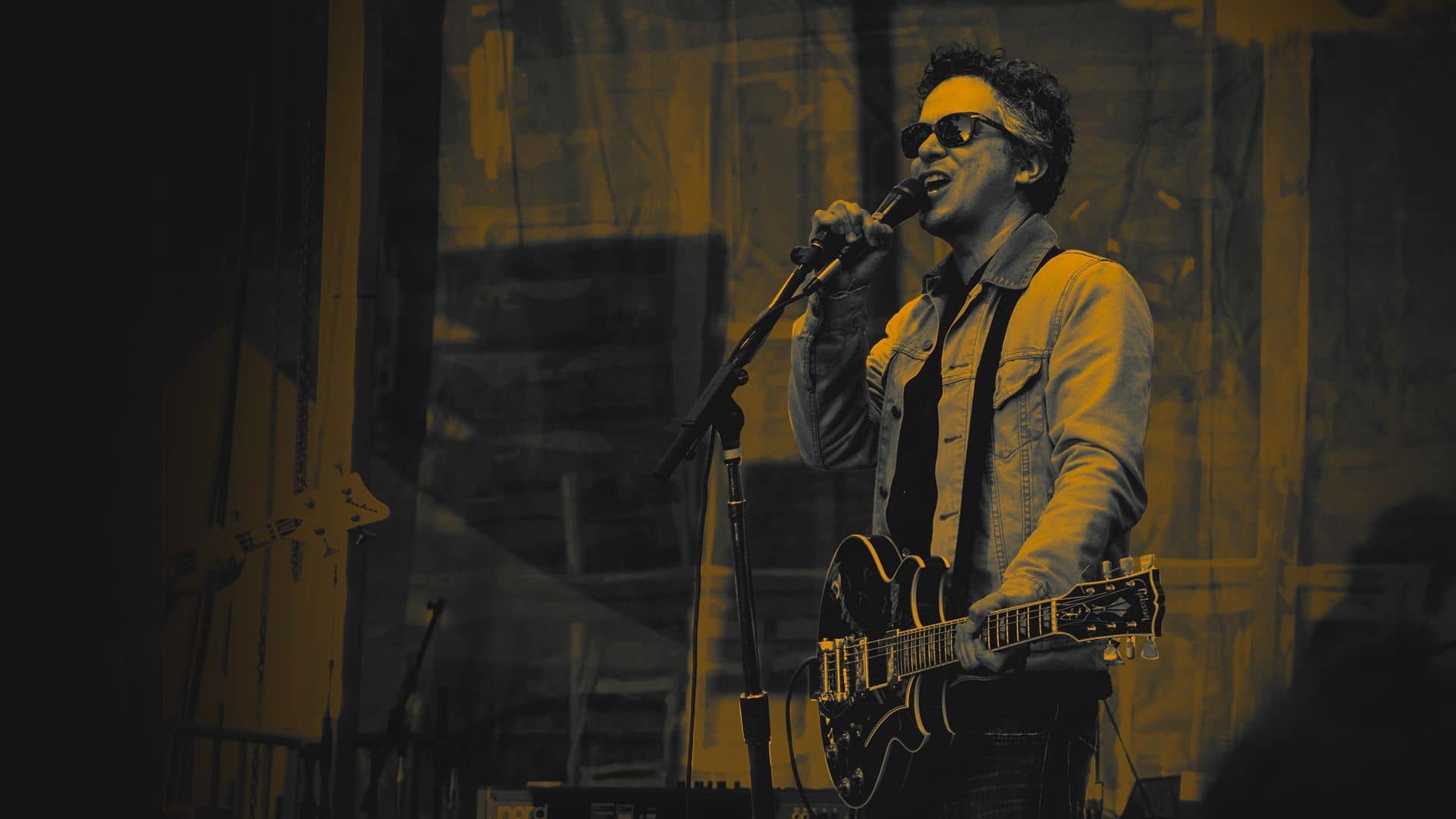


Photo by Selena Flores
The Detroit Masonic Temple has earned legendary status as a music venue, captivating audiences and artists alike since its doors opened in 1926. While it was initially designed as a hub for Masonic gatherings, the grandeur of its architecture and superb acoustics quickly made it a desirable space for live performances. Over the decades, the temple has become a beloved landmark for Detroit’s music scene, hosting some of the most celebrated names in entertainment and solidifying itself as a cornerstone for the city’s cultural and musical history.
An Architectural Masterpiece for Live Music
The Masonic Temple is the largest building of its kind in the world, boasting a mix of Gothic Revival architecture and an array of performance spaces, with the grand theatre as its crown jewel. Designed by renowned architect George D. Mason, the temple’s layout includes three distinct theatres, each with its own unique acoustics and design. The main auditorium, capable of seating over 4,400 people, features intricate moldings, luxurious chandeliers, and towering ceilings that enhance the musical experience. With such impressive acoustics, performers and audiences alike find that the architecture itself amplifies every note, making concerts here especially memorable.
Beyond the main theatre, the Crystal Ballroom and the Fountain Ballroom add to the temple’s reputation as an adaptable performance venue. From intimate gatherings to grand shows, each space offers something distinct, yet all share the majestic feel of the building’s Gothic design, creating a setting that has enchanted music lovers for nearly a century.
Iconic Artists at The Masonic Temple
The Masonic Temple’s stage has been graced by an extensive lineup of rock icons, legendary musicians, and groundbreaking performers. In the 1960s and ’70s, during rock music’s golden age, the temple became a premier destination for globally renowned acts. Bands like The Who, The Jimi Hendrix Experience, The Rolling Stones, Queen and Led Zeppelin performed here, bringing rock and roll’s electrifying energy to Detroit audiences. For these bands, the Masonic Temple provided not just a performance space but a larger-than-life backdrop that amplified their presence and made their performances unforgettable.
As time passed, the temple continued to attract influential artists across a range of genres. Punk rockers, heavy metal legends, and alternative bands found a welcoming home at the Masonic Temple. Iggy Pop, Patti Smith, The Ramones, and Blondie were all notable Punk acts who have performed at the venue in the late 70’s when Punk was at it’s cultural peak.
The 1980s saw performances by David Bowie, The Clash, The Cure, and Pearl Jam among others, further embedding the venue in the annals of music history. By blending its classical architectural beauty with the raw energy of modern music, the Masonic Temple established itself as a unique bridge between eras and genres.
A Lasting Place in Modern Music
In more recent years, the Masonic Temple has continued to evolve with the music industry, adapting to contemporary genres while preserving its historic charm. Artists like Jack White, who has a personal connection to Detroit, have expressed deep admiration for the venue. White famously saved the Masonic Temple from foreclosure in 2013, a testament to the temple’s enduring importance to musicians and the Detroit community. The venue has also become a regular stop for indie, hip-hop, and electronic acts, allowing it to stay relevant and attract new generations of concertgoers.
Despite the challenges posed by age and economic changes, the Masonic Temple’s allure has only grown stronger. Through renovations and dedicated preservation efforts, the venue maintains its historic features while meeting the needs of modern performers and audiences. Its mix of history, acoustics, and Gothic beauty make it an ideal stage for today’s diverse music genres, continuing its legacy as a venue that musicians revere and audiences cherish.
A Cultural Icon
The Detroit Masonic Temple stands as more than just a concert hall; it’s an emblem of the city’s rich musical history and its resilience. Its towering Gothic architecture and storied stage have borne witness to countless iconic moments that define Detroit’s cultural identity. Whether it’s rock and roll, hip-hop, or alternative music, the Masonic Temple offers an experience that captures the essence of Detroit’s creative spirit.
From the roaring sounds of Led Zeppelin to the raw lyrics of punk rock and the soulful riffs of modern indie artists, the Masonic Temple remains a treasured and transformative venue that celebrates Detroit’s storied past while inspiring its musical future.
The Perfect Setting for Immersive Performances
One of the Masonic Temple’s greatest strengths as a music venue is its unique atmosphere. The Gothic Revival design, intricate detailing, and grandiosity of the space create a one-of-a-kind experience that few other concert halls can replicate. The massive proscenium stage, combined with state-of-the-art sound and lighting, transforms every show into a spectacle. This architectural majesty has drawn performers who seek venues that amplify their music, adding a dramatic and immersive visual element that resonates with audiences.
The Masonic Theatre’s acoustics also play a significant role in its appeal. Musicians and fans alike have praised the way sound fills the space, ensuring that audiences in every seat, from the main floor to the top of the balcony, feel connected to the performance. This attention to sound quality and audience experience has helped the Masonic Temple maintain its status as one of Detroit’s top music venues, despite the rise of newer arenas and theaters.
The Masonic Temple: A Venue with Staying Power
While the Masonic Temple has had its share of financial challenges, it remains one of Detroit’s most beloved music venues, celebrated for its history, acoustics, and the memories it holds. Its reputation as a venue where both legends and rising stars perform ensures a steady stream of shows and events, each adding to the temple’s rich musical legacy. Today, the Masonic Temple is as popular as ever, hosting concerts across genres that appeal to Detroit’s diverse music community.
Whether you’re attending a rock concert, a hip-hop show, or a theatrical performance, stepping into the Masonic Temple is stepping into history. It’s a place where music echoes through grand halls, where every performance adds a new chapter to its storied past, and where Detroit’s vibrant music culture lives on.
